You’re expected to grow fast. Your board wants numbers that beat last quarter, and they want you to move faster than the competition. Modern tools make this look easy. You can launch campaigns in hours and fill your pipeline in a day.
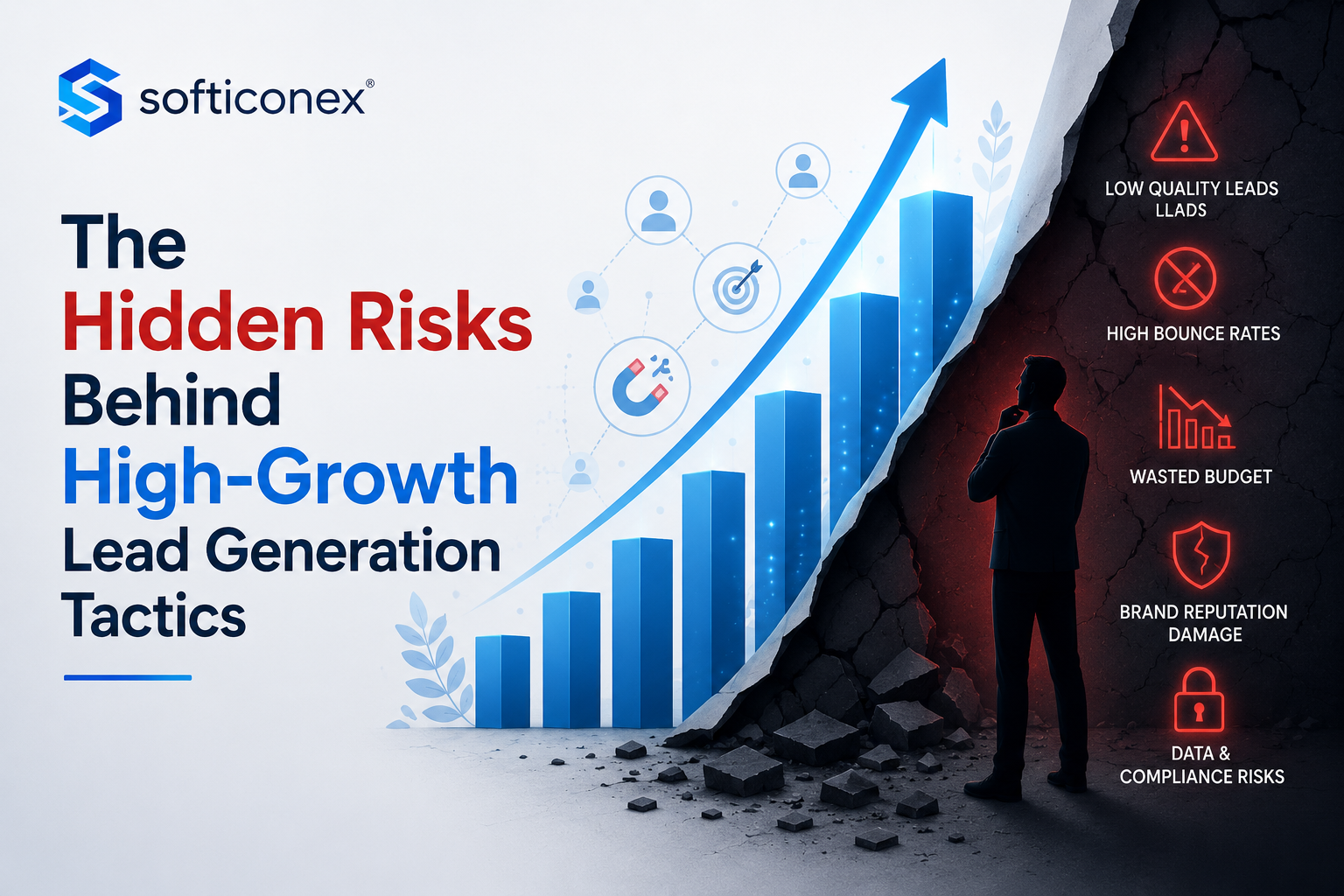
But this obsession with speed creates dangerous blind spots for your revenue team. You start tracking lead volume and stop checking who’s behind the data. This is exactly where the trouble begins.
Some problems show up in your monthly reports. Others stay hidden until they cost you real money or ruin your domain reputation. You need to prioritize checking the quality of what enters your pipeline. You see this clearly when you look at how lead volume behaves.
When More Leads Start Hiding the Real Problem
You might see strong lead numbers every week, and that feels like progress. But your sales team may tell a different story. Calls don’t convert, deals stall, and time gets wasted. This gap stems from weak lead quality.
Many leads show activity but no real intent. They click, sign up, and disappear. According to Exploding Topics, businesses are generating more leads than ever. Yet follow-up remains a major challenge, and many outreach methods get ignored.
As a result, only a small share of leads convert, leaving most of them far from actual revenue impact. So teams start changing how they evaluate leads. To manage this, Forbes explains that lead generation now relies on tracking real user behavior, not just capturing contact data.
Businesses monitor actions like page visits and engagement to measure performance. They also connect conversions to specific campaigns to see what actually drives results. This shift helps filter serious prospects from low-value leads.
Even then, noise still builds. Forecasts look better than they are. Teams chase the wrong opportunities. You don’t just lose time. You lose direction.
When Fake Leads Start Blending In
As you scale outreach, you won’t just attract real buyers. Some leads are fake and hard to spot because they use real names and clean emails. These fake leads bypass filters and enter your CRM.
This often starts inside your funnel. Fake form submissions, bot-driven clicks, and low-quality traffic inflate lead numbers. Some attackers also use stolen or scraped data to pose as real prospects.
Others go further. They use synthetic identities to target your executives. They act like high-value partners for weeks to build trust. In some cases, the fraudsters redirect payments or introduce crypto to process transactions more quickly.
These schemes often follow patterns seen in pig butchering scams, where, according to TorHoerman Law, trust builds over time before money is requested. By the time you verify the request, the funds are gone.
In such scenarios, resources from a crypto scam lawyer explain how these schemes work. They also outline possible recovery paths, crypto, and cross-border cases. This risk sits inside your funnel and looks like a real opportunity until it turns into a loss.
When Automation Starts Repeating the Wrong Signals
You rely on automation tools to move faster. Lead scoring, email flows, and targeting all run on systems. These systems depend on data. If your data is off, your output is off too. That’s where problems start.
AI tools help identify and segment leads at scale. But they rely on data quality. Poor inputs lead to inaccurate targeting and misaligned messaging. AI also raises concerns around data privacy and bias, which affect how leads are selected and engaged.
It also changes how leads are identified and engaged. By processing vast amounts of data, AI can forecast how buyers will act and streamline outreach efforts. This improves personalization and helps focus on prospects more likely to convert.
At the same time, it requires careful oversight to maintain accuracy and human relevance. And the system keeps repeating those mistakes. You engage the wrong leads more often or score low-value prospects higher than they deserve.
And once that system runs, it keeps repeating the same pattern. Automation saves time. But it doesn’t fix judgment. You still need to check what your system is doing and why.
When Fast Growth Starts Breaking Trust
Fast growth often pushes you to act quickly. You shorten sales cycles, increase outreach, and push deals forward faster than usual. That pressure changes how you communicate, as messages become broad, and follow-ups feel rushed.
When that happens, your positioning starts to slip. You promise value before fully understanding the prospect. You also engage leads before they are ready. Over time, this creates gaps between what you say and what the buyer experiences.
Buyers notice these gaps. They review your website, compare alternatives, and look for consistency across touchpoints. If your messaging feels inconsistent or unclear, they hesitate. Even small doubts can slow decisions or stop conversations.
Trust builds through steady and clear interactions. It depends on timing, relevance, and accuracy. When you focus only on speed, those elements start to slip, and the impact shows up later in slower deals and weaker retention.
Deals take longer to close, and retention becomes harder. You may still generate leads, but fewer of them move forward with confidence.
People Also Ask
How can you catch fraudulent leads before they hit your database?
You should use real-time verification tools to check the reputation of every IP address. These systems stop fake entries from wasting your team’s time. Adding multi-step verification helps you block bots. This keeps your pipeline clean and protects your company from bogus leads using false or stolen data.
How do modern privacy rules change the way you gather leads?
You must have clear proof of consent for every person you contact. Buying bulk lists from unknown sources creates massive legal risks for your firm. Documenting every touchpoint builds a shield against fines. It also ensures you only talk to people who actually want to hear from you.
Why do high-growth lead generation strategies fail over time?
High-growth strategies often fail because they prioritize speed over validation. When you scale too quickly, weak leads, poor data, and inconsistent messaging enter your pipeline. Over time, this reduces conversion rates, wastes sales effort, and makes forecasting unreliable, even if lead volume continues to increase.
Your growth system carries more risk than it looks. You’ll have to deal with weak leads, hidden fraud, system errors, and trust issues. These risks build quietly over time. If you want stable results, you need better filters.
Check lead quality early, review your data often, and watch how prospects behave, not just what they say. And take time to verify before you act. The pipelines that perform well are not the biggest. They are the ones you understand clearly.