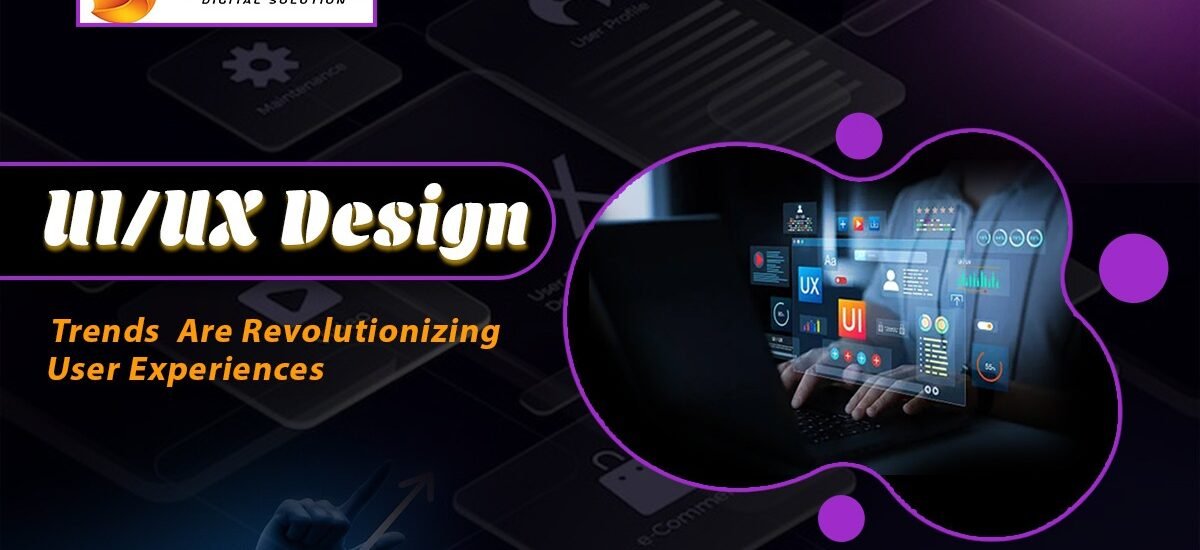
Digital product design layout tendencies are the evolving ways in which customers engage with virtual products. Designers use this technique to enhance credibility. As era advances and user expectancies shift, designers are constantly adopting revolutionary strategies to improve usability, accessibility and engagement. Modern developments recognition of growing intuitive interfaces, personalized studies, and visually appealing layouts that respond seamlessly across devices. From minimalistic designs to AI-driven, these tendencies aim to stabilize aesthetics with capability, ensuring that digital structures stay each sensible and tasty. Understanding contemporary UI/UX design trends is vital for businesses and architects striving to stay competitive in an increasingly person-focused virtual panorama.
Understanding UI/UX Design
Understanding experience strategy layout starts detached with recognizing the difference among user interface layout. Consumer experience layout and the way each design collectively shapes realistic interactions. User interface layout focuses on the visual and interactive factors. Users see and touch inclusive of arrangements, typography buttons icons and navigation menus. Its aim is to create aesthetically tempted interfaces which can be smooth to recognize. It is visually consistent throughout devices. A robust interface allows users to perceive actions right away and pass through virtual products without confusion.
The Growing Importance Of Human-Centered Design
Human-focused layout has grown to be a leading principle in design systems approach. It prioritizes real person wishes over entirely aesthetic decisions. Designers now conduct comprehensive research on the use of user interviews, journey mapping and usefulness checking. To recognize the apple of discord and motivations before growing layouts. This technique ensures that each interface thing from navigation tables to call-to-action buttons is crafted with readability and capability. As users revel in layout highlighting empathy and accessibility manufacturers gain from improved interactivity It reduces bounce costs since visitors locate interfaces less difficult to navigate and less difficult to trust.
Top UI/UX Design Trends
| UI/UX Design Trend | Description | Impact on Experience |
| Minimalist Interfaces | Clean layouts with reduced visual noise | Increases clarity and ease of use |
| Micro interactions | Small animations that guide or confirm actions | Improves engagement and user satisfaction |
| Dark Mode Design | Low light friendly theme options | Enhances comfort and reduces eye strain |
| AI Driven Personalisation | Tailored content and interface behavior | Creates more relevant, adaptive experiences |
| Voice User Interfaces | Voice navigation and search | Enables hands free, intuitive interaction |
| Accessibility First Design | Inclusive features for all users | Expands usability across diverse audiences |
| Augmented Reality Experiences | Integrates AR to blend physical and digital interfaces | Enhancing engagement and adoption in retail |
Minimalist Interfaces
Minimalist experience strategy stays functional despite the fact that its application has matured extensively. Instead of removing elements completely for visible simplicity and modernized minimalist designs awareness on turning in well designed. Its manual interest in the direction of vital content. White area clean typography and limited shade palettes enhance scanning and clarity while decreasing working memory. This elegant method facilitates customers making choices quickly without being overwhelmed. By averting useless additives designers create quicker loading interfaces that design internet site overall performance. At the same time as retaining sturdy brand identification which helps both desirability and search engine marketing optimization.
Micro-Interactions
Micro-interactions constitute small lively responses to person movements together with hover effects loading signs and button comments. While diffused these factors dramatically decorate usability through offering affirmation and steering throughout navigation. Motion design now specializes in that means instead of ornament ensuring animations give an explanation for transitions among sections and clarify interface behavior. When customers acquire immediate visual comments they sense more assured exploring digital areas which results in longer classes and decreased frustration. Well-planned micro-interactions deliver delight without composed overall performance making them a key issue of contemporary user revel in design.
Dark Mode Design
Dark mode has ended up a mainstream UI/UX design trend as extra structures help customers. The ability to pick between light and dusky content based on compassion or environmental luminaries. Designers now develop adaptive colour structures that robotically alter evaluation and brightness for intelligibility. Beyond decreasing eye strain, dark interfaces subscribe to improved battery life on OLED screens. It offers visually hanging stylish whilst combined with ambitious typography and radiated gradients. These fashion displays are more customized in consumer interface design. Where consolation and desire are prioritized nearby capability.
Voice User Interfaces
Voice person interfaces are expanding as clever assistants and AI-powered tools integrate into packages and websites. Informal UX emphasizes herbal dialogue in which customers are interested with automated systems through spoken queries or chatbot messages. Designers have to cartography cautiously to certain clarity and inclusivity while considered for language range and accessibilities. Integrating voice functionality enhances polymath and expands usability for people with debilitated or visible challenges.
Accessibility First Design
Accessibility has transitioned from a secondary enhancement to a central arrangement requirement. Designers comply with inclusive recommendations that support screen readers keyboard navigation and overestimation viewing modes. Features which include opportunity text responsive typography and intuitive layouts ensure customers with diverse abilities can readily engage with virtual products. Accessibility-first clean interface design augment universal usability for every traveller not just people with disabilities at the same time as additionally aligning with prison requirements and seeking engine accessibility nice practices. This trend proves that ethical design and commercial enterprise achievement go hand in hand.
AI-Driven Personalization
Artificial intelligence now performs a profound role in customizing consumer stories throughout platforms. Machine learning analyzes browsing conduct place records and engagement metrics to suggest personalized content layouts and product hints. Instead of static interfaces designers create modular systems that adapt forcibly based totally on man or woman preferences. These smart interfaces improve pleasure even as boosting conversion rates as customers acquire content material that suits their needs instantly. Successful performance calls for cautious balance making sure transparency and records ethics at the same time as optimizing engagement.
Augmented Reality Experiences
Extended fact has started to influence UI/UX design especially in retail training and estate agent sectors. AR functions permit consumers to preview products of their environment or visualize complex information interactions. Designers now craft inherent overlays that mix physical reality with virtual interfaces. At the same time as preserving readability and simplicity of use. When done effectively, immersive design sensitive engagement and acceptance is true. Versus replicating easy interaction in a digital layout. As the AR era becomes extra attainable this trend is expected to expand swiftly across consumer structures.
Advanced Typography As A Visual Anchor
Typography is now not sincerely ornamental however a vital element of UX storytelling. Designers use massive display fonts to set up grading, highlight key messages and guide navigation floats. Variable fonts permit smooth changes in weight width and spacing without sacrificing load speed. Paired with thoughtful line spacing and alignment contemporary typography will increase accessibility for all users which includes individuals with visible impairments. These enhancements make sure readable content at the same time as strengthening brand tone which performs a main function in sentimental connection.
The Rise Of No-Code And Modular Design Systems
No-code structures empower organizations to build virtual merchandise quickly without huge technical capabilities. This trend advanced in improvement cycles and permits speed trying out design iterations. Modular systems also keep visible uniformity even as helping scalability as digital existings. Designers now collaborate closely with improvement groups. To ensure flexibility without compromising usability requirements.
Seamless Cross-Platform Design
Users interact with manufacturers via smartphones, pills, computer systems and habiliment gadgets. Frequently switching between platforms at some point of a single adventure. UI/UX layout trends emphasize creating regular. Flexible reports and display sizes are input kinds. Responsive techniques are used to maintain brand continuity. Designers also focus on decreasing friction in the course of transitions. Among systems allowing obligations inclusive of purchasing or bookmarking to coordinate. Cross-platform harmony enhances retention and guarantees convenience stays vital to revel in method.
Data-Informed Design Decisions
Designers increasingly rely upon analytics and user testing software programs to validate creative alternatives. Heat maps click on tracking and A/B checking out deliver insights that help usability upgrades and layout optimization. Instead of relying completely on visual traits, interfaces evolve primarily based on actual engagement behavior. Analytics based layout ends in continual refinement making sure systems live aligned. With changing person wishes even as maximizing transformations. This medical method blends creativity with measurable consequences strengthening universal heuristic evaluation adulthood.
The Future Outlook Of UI/UX Design Trends
The destiny of development tendencies will revolve round deeper personalization inclusive accessibility and immersive technologies. AI voice interactions and AR integration will continue reshaping consumer expectations at the same time as minimal visual readability will continue to be important for navigation ease. Designers must commit to moral statistics practices, adaptable layouts and inclusive reports that welcome all customers. As interest spans shorten, intuitive design will become even more focused in reaching rapid mission final touch and emotional connection. Successful virtual platforms may be people who assume evolving person conduct whilst preserving simplicity, belief and consistency.
Conclusion
UI/UX design trends hold to conform as generations modify how people interact with digital environments. The maximum successful designs are not people who absolutely look current. But those who assume goals supply seamless accessibility, customize stories and hold intuitive simplicity throughout systems. As improvements like AI-driven personalization voice interfaces, immersive interactions and data scientist layout end up standard expectancies designers ought to remain adaptable and studies-driven. The destiny of user intent analysis depends on balancing creativity with benefits. At the same time as setting actual customers at the core of every layout selection to construct reports. They are effortlessly meaningful and absolutely human-focused.
FAQ’s
Q1. What are UI/UX design trends?
UI/UX layout developments are rising techniques and strategies that shape how digital interfaces appear and characterize primarily based on adjustments in technology user behavior and design best practices.
Q2. Why are interaction design trends important for businesses?
Accessibility design trends help companies stay aggressive by enhancing usability engagement and conversion prices whilst making sure structures align with current person expectancies.
Q3. How Do UI/UX trends improve user experience?
These UI/UX design trends decorate readability, accessibility, responsiveness, personalization and visual attraction which ends up in smoother navigation multiplied accept as true with and better user pleasure.
Q4. Which User experience design trends are most popular today?
Some of the most influential developments include minimalist layout, dark mode AI personalization, micro-interactions, conversational interfaces and accessibility-first design techniques.
Q5. How can companies implement UI/UX design trends effectively?
Companies should conduct consumer studies, apply information-pushed trying out and collaborate with experienced designers to integrate trends thoughtfully without compromising emblem clarity or usability.